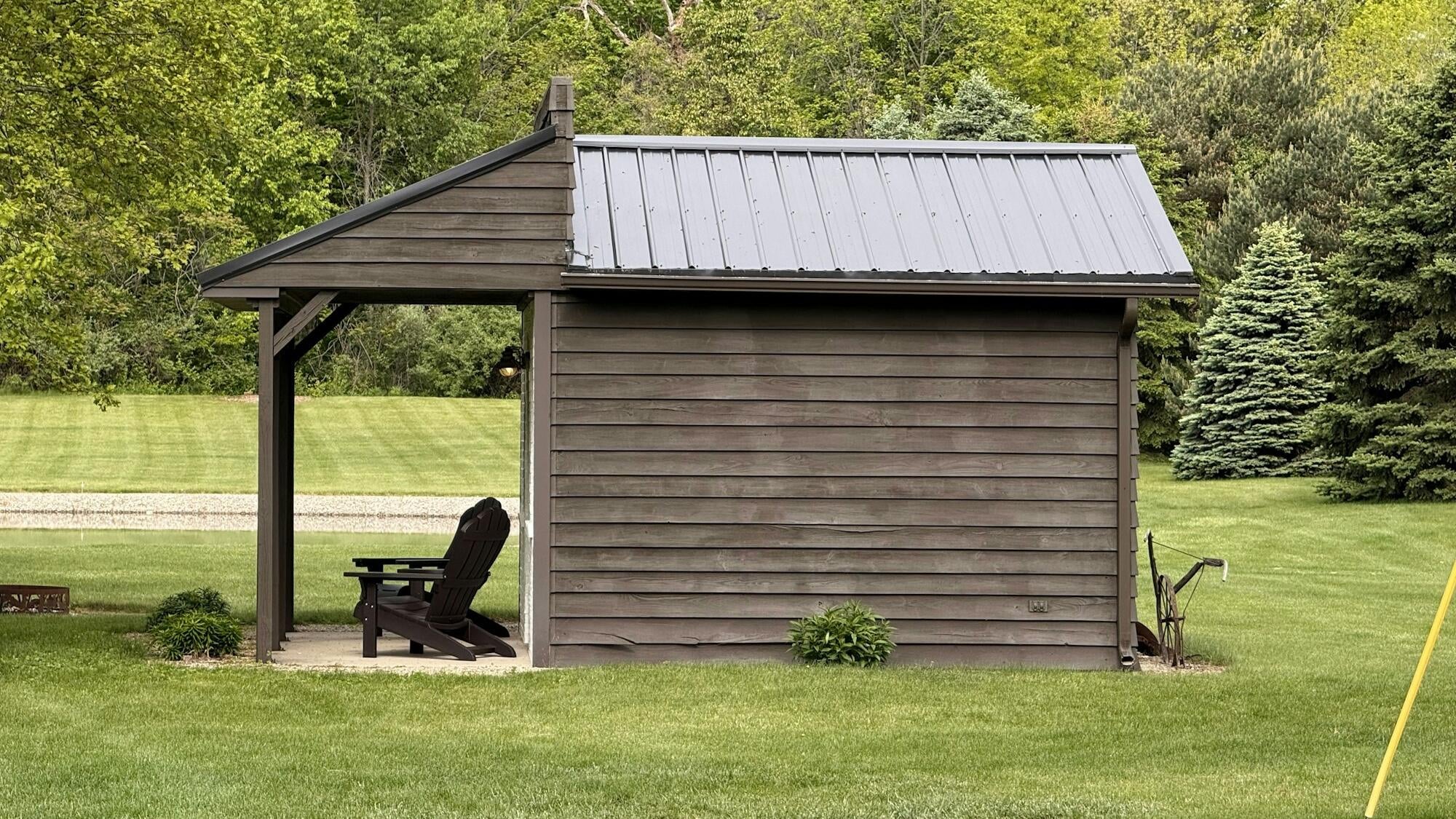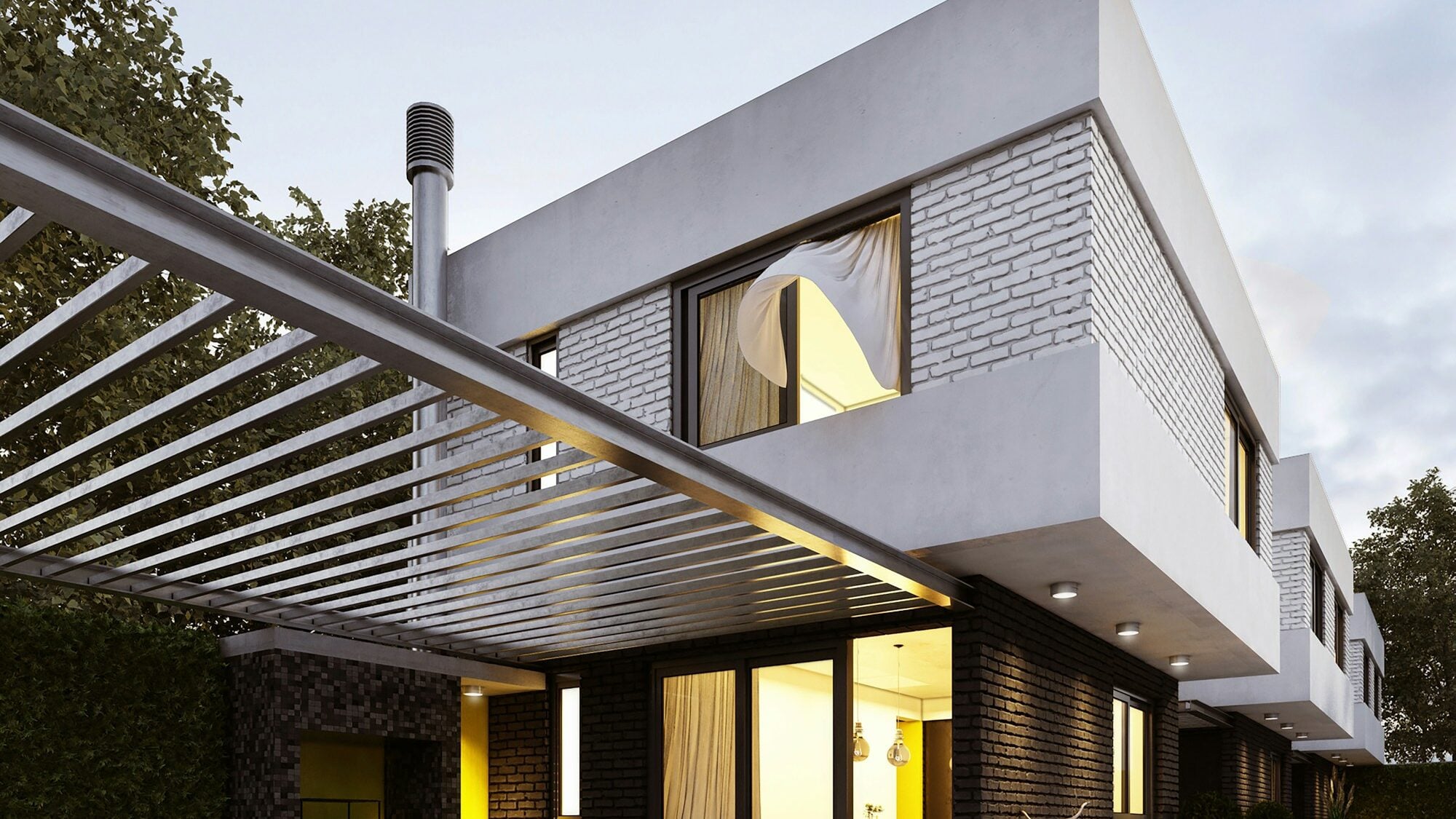


In one week the owner sits through three configurator demos. In every one the pergola turns beautifully, the louvres open and the sun casts a shadow across the patio. The owner picks the one with the greenest grass.
Choosing by the 3D is understandable. It's what you can see, and it really is what the customer sees first. The problem is that 3D is the easiest thing to compare and the thing that decides least. Six months after launch, the grass isn't what bothers the owner. What bothers them is that the supplier charges extra to change a profile price, and that enquiries arrive as an email saying "I'm interested".
How to choose a product configurator as a maker of pergolas, fences or verandas: first find out whether it can handle your rules and your price list, and what reaches the salesperson. The 3D comes after that. Below are ten questions to put to every supplier; five more, about price, are in How much does a 3D product configurator cost?
What choosing by the demo costs
When the decision rests on what turns in the demo, the differences show only after launch:
- Rules you can't enter. The note "different beam above 4 m" isn't in the configurator, so the customer builds something that can't be made.
- A price per metre instead of your price list. The configurator multiplies area by a rate, and the salesperson recalculates after every enquiry.
- An enquiry without a brief. The inbox gets a name and "I'm interested". The configuration, the whole point of the exercise, is lost.
- Every change is an order. A new model, a new colour, a new profile price. You pay for each one and wait for each one.
Nobody is doing anything wrong here. A demo shows what looks best in it, and nobody asks the questions that decide during one.
How to choose a product configurator: ten questions before you buy
The questions are ordered from those that decide most. Each comes with what a good answer sounds like.
Rules and price
1. Can you enter our rules, not just dimensions? Send the supplier one rule from your price list, such as when a post is added or what can't be combined with what, and ask to be shown where it will live in the configurator. A good answer is specific. "That's possible" without a demonstration isn't an answer.
2. Does it price from our price list or from a rate per metre? A made-to-order product has surcharges, steps and exceptions. Why a single rate per metre misleads is covered in A per-metre fence calculator misleads.
3. What does it do when it can't work out a price? An unusual size, a mountain region, a structural question. A good configurator says "price on request" and passes the enquiry on. A bad one shows a number the salesperson then has to explain.
Enquiries and sales
4. What exactly does the salesperson receive? A specification with dimensions and options, contact details and a link to the design, or an email with a name? What a good enquiry contains is described in What a made-to-order enquiry should contain.
5. Who owns the enquiries and configurations? Can they be exported if you decide to leave? Two years of enquiries are worth more than the configurator itself.
6. What happens if you leave? Do you keep the code, the data, or nothing? None of these answers is wrong, as long as you know it in advance.
Website and customer
7. Does it run under your brand and on your website? Logo, colours, domain. The customer should feel they are still with you.
8. What does it look like on a phone? Don't trust a presentation on a large monitor. Open the demo on your own phone and try to build a product with one hand.
9. How many languages and markets can it handle? If you also sell abroad, the language changes, and often the rules too, such as snow loads or permits.
The demo
10. Will you show it on our product? A demo on the supplier's product shows the supplier's product. Only on yours will you see whether it handles your rules and how much work implementation will be.

When not to buy a configurator
Not every manufacturer needs one:
- You sell finished models with no variants. A catalogue or an online shop with photos is enough. A configurator would show the same thing, only at a higher price.
- You get a handful of enquiries a month. The salesperson can handle them by phone, and a spreadsheet with a form is cheaper.
- The price list doesn't exist yet. A configurator won't fix a bad price list; it carries it into 3D, mistakes and all. Price list first, configurator second.
If you didn't recognise yourself in any of these, carry on.
A five-minute test: are you ready to choose?
- Do you have a price list that someone other than its author understands? If not, the first supplier will spend two weeks deciphering it with you.
- Can you name three rules that change the price? Those are three questions for a demo on your product.
- Do you know where the enquiry should go? Inbox, spreadsheet, CRM. Question 4 follows from that.
- Who will change prices after launch? You or the supplier. Write the answer down before they tell you.
The first step takes five minutes: pick the one rule from your price list that is hardest to explain to a customer. Take it to every demo. What else to prepare is in What to prepare for a product configurator.
Where the questions matter most
- Pergolas and shelters: louvres, the house wall, snow, lighting. Many rules in a small space.
- Fences and gates: panels, posts, corners and terrain. A price per metre misleads most here.
- Verandas and conservatories: spans, roofing, pitch.
- Garden buildings and saunas: dimensions, equipment and permit limits by country.
The full list of 305 product types is in the configurator catalogue.
Frequently asked questions
What matters more, the 3D or the pricing rules?
For a made-to-order product, the rules. The 3D shows what the product looks like. The rules decide whether it can be made and at what price.
Is a 2D configurator enough?
For a simple product with a few options, yes. When the customer changes dimensions, the side of the house and add-ons, 3D shows them what they would otherwise only see at the site survey.
Can I try a configurator before buying?
Yes. In the demo you can try a live 3D configurator free of charge and with no commitment. Prices in the demo are illustrative.
What now
And the greenest grass from the demo? By all means remember it. Just put it at the bottom of the list, after the price list, the rules and the enquiry.
We prepare a simple demo on your product free of charge once we have checked that it fits and is technically feasible. See what a configurator with treede CRM costs.